ES Energy
ES Energy, Lahore
Solar sized from your bill and your roof.
We install on-grid and hybrid systems for houses, shops, factories, and tube-wells. First we see the site. Then we quote.
- Last 3 electricity bills
- A few roof photos
- Net metering with your DISCO
Send these and we can talk numbers
- Your billThree months is enough to see the daytime load.
- Sanctioned loadThe system cannot be bigger than what the DISCO allows.
- Backup, if you need itTell us how many hours the lights have to stay on.
Jobs we take
A normal week is a house in Lahore or a shop roof. A factory or a tube-well when the caller already has the load figures.
- On-Grid SolarRuns the daytime load. Extra units go back through the green meter.
- Hybrid SolarPanels, a battery, and the grid. The house stays on when the feeder drops.
- Off-Grid SolarFor a site with no useful connection. The battery has to cover the night, so we size that first.
- Net MeteringApplication, drawings, and the visit until the DISCO swaps in the green meter.
- ResidentialA house roof, usually 5 to 15 kW. We start from the bill, not from how many panels will fit.
- CommercialSchools, clinics, shops, and offices. Work happens in the day, which is when the panels produce.
- IndustrialMills, cold stores, and plants with a heavy day shift. Capacity follows that shift.
- AgriculturalTube-wells and farm pumps. The point is to cut the diesel hours, not to decorate the shed.
- Lithium StorageLithium packs for hybrid backup. We size them to the hours you named, not to the biggest box in stock.
- Panels & InvertersPanels and inverters we can stand behind. On-grid, hybrid, or a VFD where the motor needs it.
- MaintenanceDust cuts output here. Cleaning and a check when the app numbers look off.
- Feasibility & DesignShade, structure, and a sketch before anyone orders panels.
House, shop, or plant
The drawing changes with the load. A house and a mill are not the same job.
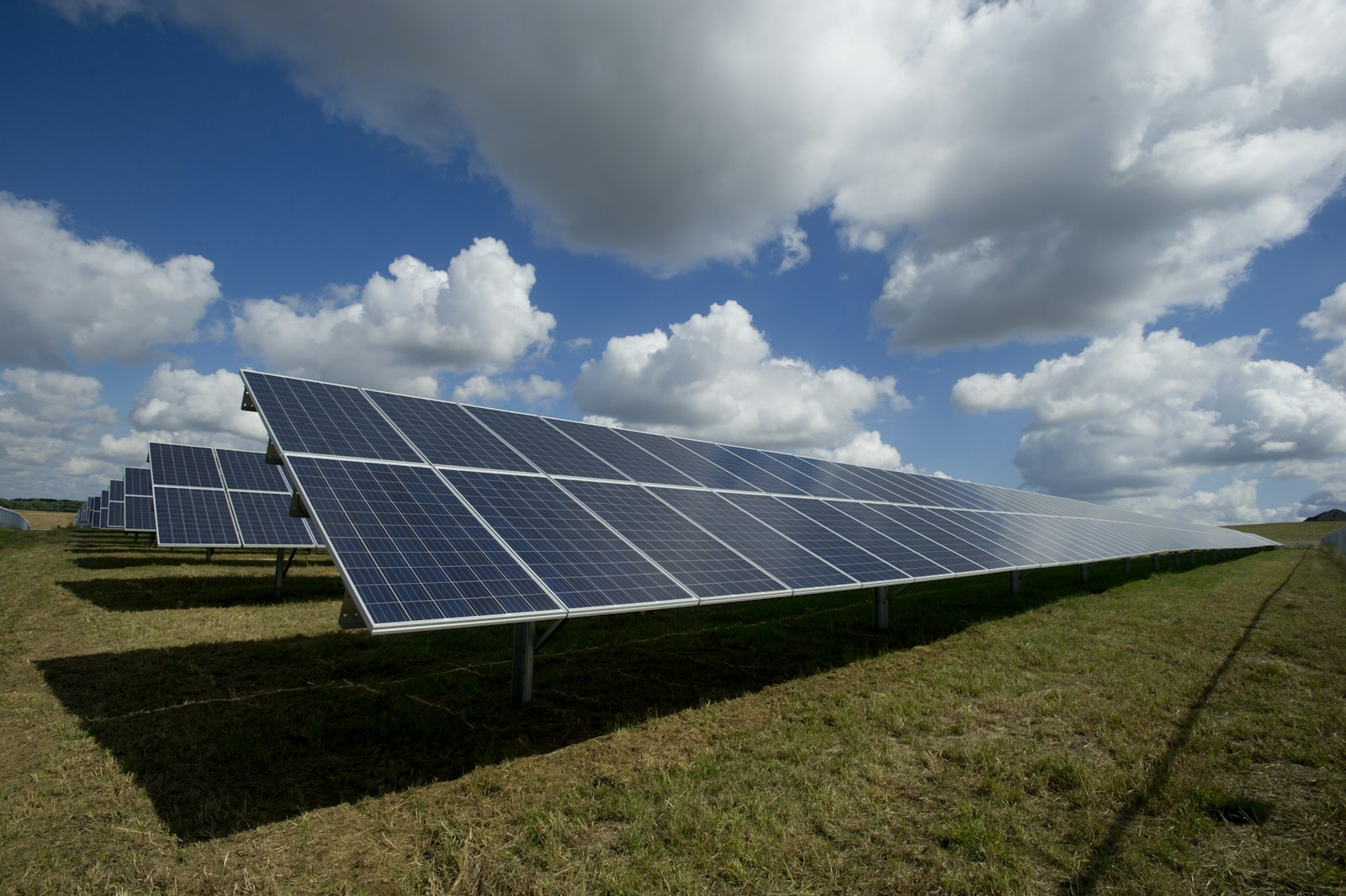 House
Residential
Most houses we do sit between 5 and 15 kW. Hybrid if load-shedding is the real problem.
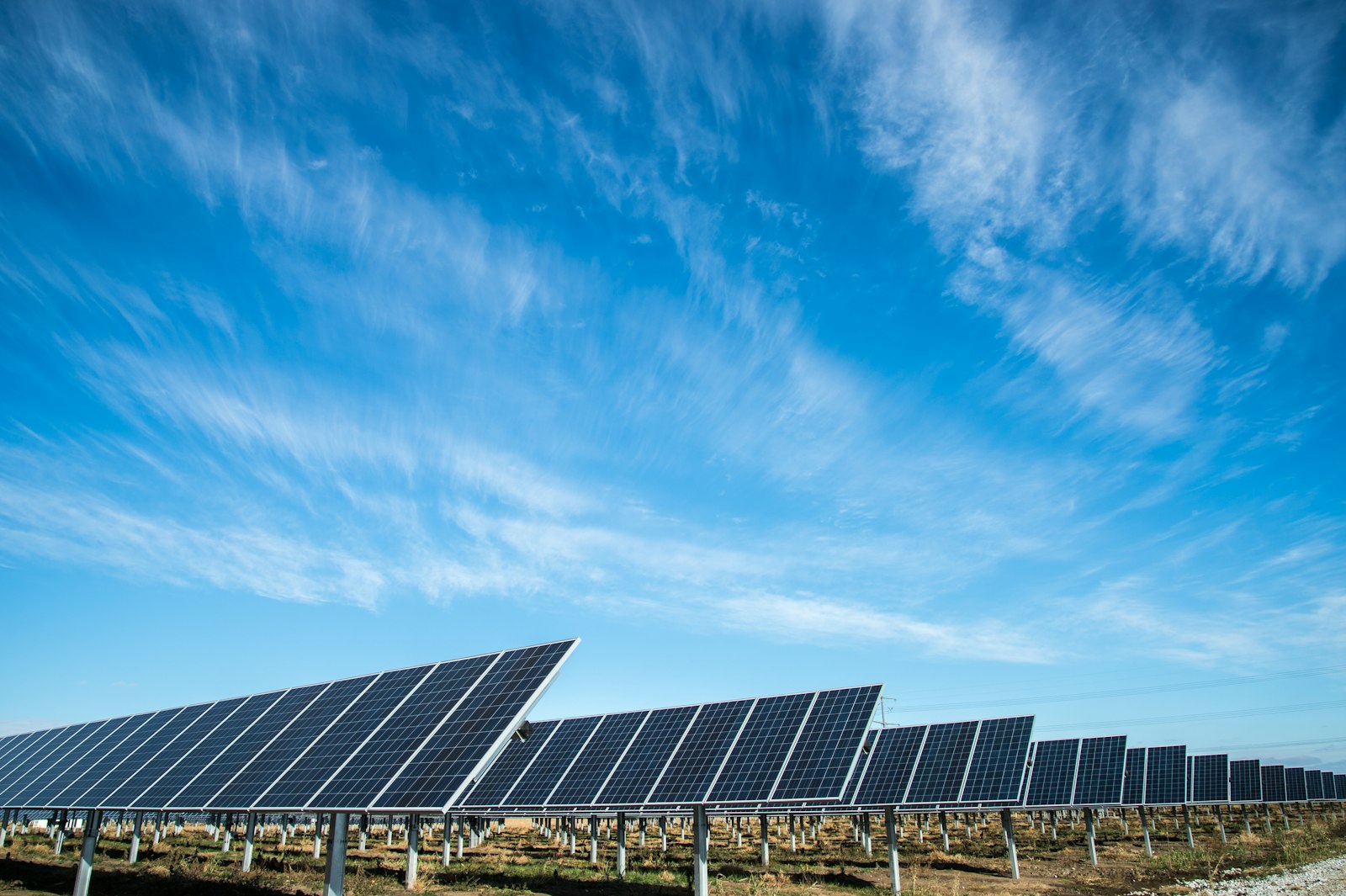 Shop
Commercial
Offices, schools, and shops that run through the day. The saving is in the units you stop buying.
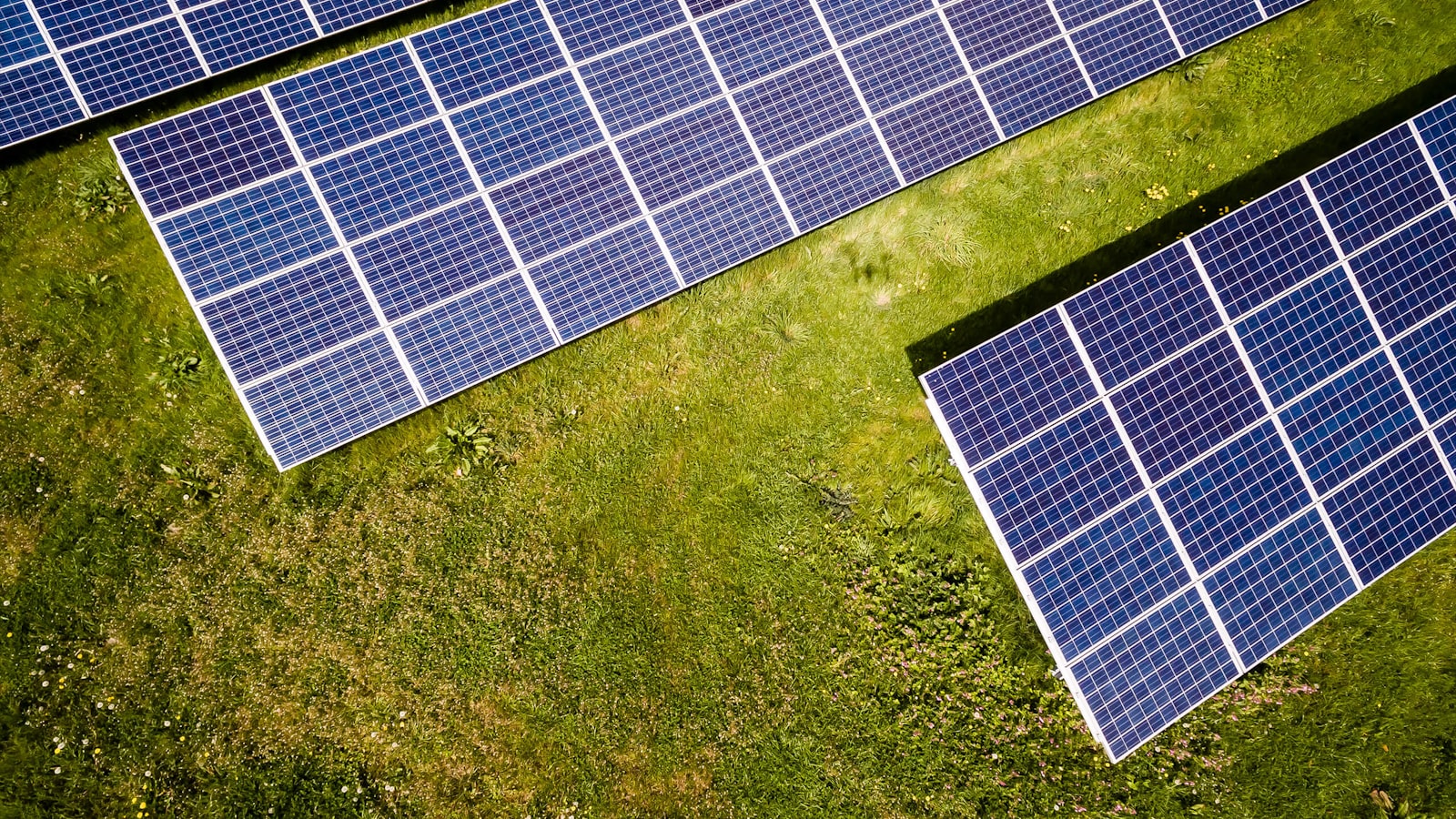 Plant
Industrial
Daytime factory load. We match the array to the shift, not to a brochure kW.
A smaller system that matches the bill is the better one.
No fixed package. A 10 kW kit is useless if the roof shades at 2pm or the sanctioned load is 5 kW.
Equipment we can service. Panels and inverters we have installed before, with a warranty we can actually claim.
Same people on the file. Survey, install, and the DISCO papers stay with one team. You are not handed off.
We come back. If generation drops after a season of dust, call. That is part of the job.
The bill tells us more than the roof does.
A big empty roof is not a reason to fill it with panels. We read the units you buy in the day, the sanctioned load, and whether you need the lights on at night. Then the drawing follows.
About the companyHow a job runs
01
Bill and roof
We read the units, look at shade, and check if the slab can take the frames.
02
A size and a drawing
kW, inverter type, and whether a battery belongs in the job. You see it before we order.
03
DISCO file
Net metering papers, the inspector, and the green meter. We stay on this until it is done.
04
Install and switch on
Mounting, DC and AC, protection, and a walkthrough of the monitoring app.
Bill calculator
A rough kW from last month’s bill
It is a starting number. Shade, sanctioned load, and backup still change the quote.
Open calculatorWhat people ask on the first visit
Net metering is a billing mechanism that credits solar energy system owners for the electricity they export back to the utility grid. When your solar panels generate more electricity than your property consumes, the excess energy is routed to the national grid. Your bidirectional green meter records this export. At the end of the billing cycle, your distribution company (DISCO) offsets your imports against your exports, billing you only for the net energy consumed.
The process involves submitting a technical application to your local distribution company (DISCO) along with structural stability certificates, electrical single-line diagrams, and equipment specification sheets. After DISCO engineers conduct a site safety assessment, a physical inspection certificate is issued, followed by NEPRA net-metering license generation. Finally, your bidirectional green meter is installed.
System capacity is determined by analyzing your average monthly electricity consumption (kWh) recorded on your utility bills, available unshaded rooftop or ground area, and peak load requirements. Our engineers evaluate your load profiles to recommend a capacity that balances your generation yield with your capital budget constraints.
An on-grid system operates in parallel with the utility grid and exports excess energy, but shuts down during grid outages for utility safety. A hybrid system combines grid connection with battery storage to run critical loads during load-shedding. An off-grid system runs entirely independently of the utility grid using dedicated batteries and generator backups.
Premium Tier-1 solar panels are engineered for long-term durability, typically carrying a 12 to 15-year product warranty and a 25-year linear performance warranty. Over time, panels experience minor annual degradation (typically less than 0.5% per year), meaning they continue to generate substantial power even after 25 years.
Modern lithium-ion storage batteries (such as LiFePO4 chemistry) typically last between 10 to 15 years, depending on charge/discharge cycles, operating temperatures, and battery management settings. They offer significantly higher round-trip efficiency and depth of discharge compared to traditional lead-acid options.
In a standard on-grid system, the solar inverter automatically shuts down during a utility outage to prevent feeding energy into dead lines (islanding protection). In a hybrid or off-grid configuration, the system isolates itself from the utility grid and uses stored battery energy to power critical loads.
As a general rule, a 1 kW solar array requires approximately 80 to 100 square feet of shadow-free roof area. The total space needed depends on module wattage, tilt angle, orientation, and access gaps required for maintenance. A structural assessment is conducted to determine the exact panel layouts.
Solar systems require minimal maintenance. The primary requirement is regular panel cleaning (typically twice a month) to remove dust, soot, and debris, which can reduce light absorption. Annual electrical testing and thermal inspections help detect micro-cracks or connection issues early.
Our engineering team conducts a feasibility audit including structural roof inspection, shading analysis, utility bill review, and load logging. We then create a system design selecting compatible inverters and Tier-1 components to match the specific energy demands of your site.
Send the bill. We will tell you if solar is worth it.
If the roof is wrong or the load is too small, we say so. That saves both of us a visit.